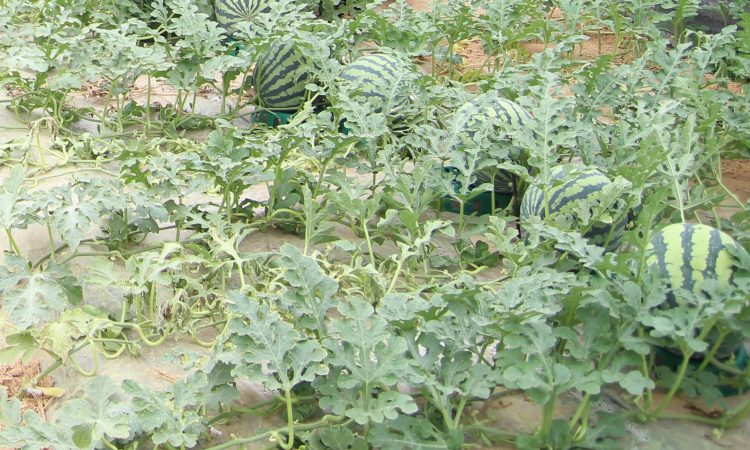
ឪឡឹកមានឈ្មោះជាភាសាអង់គ្លេស “watermelon” និង ឈ្មោះវិទ្យាសាស្ត្រ “Citrullus lanatus”។ ឪឡឹកជាប្រភេទរុក្ខជាតិស្ថិតក្នុងអំបូរត្រសក់ “Cucurbitaceae” មានដើមកំណើតនៅអាហ្វ្រិចកណ្តាល ហើយត្រូវបានគេយកមកដាំនៅទូទាំងពិភពលោក (Mallick and Masui, ១៩៨៦; Kocyan et al., ២០០៧)។ ឪឡឹកសំបូរទៅដោយវីតាមីន (vitamins) ជាតិលីកូប៉ែន (lycopene) ដែលជាការ៉ូតែណូអ៊ីដ (carotenoid) ប្រឆាំងអុកស៊ីតកម្ម មានប្រសិទ្ធិភាពក្នុងការការពារប្រឆាំងមហារីកប្រូស្តាត និងបំពង់រំលាយអាហារ (gastrointestinal tract) និង ស៊ីដ្រុលីន (citrulline) ដែលអាចបំប្លែងទៅជាអាស៊ីតអាមីនេចាំបាច់ឈ្មោះ អាជីនីន (arginine) ដើម្បីបង្កើនកំរិតអាជីនីននៅក្នុងប្លាស្មាមនុស្សពេញវ័យ (Stahl and Sies, ១៩៩៦;Clinton, ១៩៩៨; Edwards et al., ២០០៣; Rimando and Perkins-Veazie, ២០០៥; Collins et al., ២០០៧)។ ការញ៉ាំឪឡឹកជួយកាត់បន្ថយជំងឺលើសឈាម ជំនួយការលោតនៃចង្វាក់បេះដូង និងការឈឺចាប់សាច់ដុំ (Figueroa et al., ២០១១ Tarazona-Diaz et al., ២០១៣)។
ជាទូទៅ ឪឡឹកដែលយើងញ៉ាំ ជាឪឡឹកឌីប្លូអ៊ីត ដែលមាន ២ sets ក្រូម៉ូសូម គឺ ២n = ២x = ២២ក្រូម៉ូសូម និងមានគ្រាប់។

ដោយសារវិទ្យាសាស្ដ្រជឿនលឿន បច្ចុប្បន្នអ្នកបង្កាត់ពូជ បានបង្កើតអោយមានឪឡឹកទ្រីប្លូអ៊ីត ដែលមាន ៣ sets ក្រូម៉ូសូម គឺ ២n = ៣x = ៣៣ក្រូម៉ូសូម ដើម្បីផលិតផ្លែឪឡឹកអត់គ្រាប់។ ឪឡឹកអត់គ្រាប់ត្រូវបានបង្កើតឡើងដំបូងបង្អស់នៅប្រទេសជប៉ុនដោយលោក គីហារ៉ា (Kihara, ១៩៥១)។ ឪឡឹកអត់គ្រាប់មានប្រជាប្រិយភាពជាងពីរទសវត្សមកហើយនៅលើទីផ្សារសហរដ្ឋអាមេរិច ដោយសារតែវាមានរសជាតិផ្អែមជាង និងគ្មានគ្រាប់ដូចឪឡឹកទូទៅ (Egel, ១៩៩៩; Marr and Gast, ១៩៩១)។ ឪឡឹកទ្រីប្លូអ៊ីតបានមកពីការបង្កាត់រវាង ឪឡឹកតេត្រាប្លូអ៊ីត (២n = ៤x = ៤៤ក្រូម៉ូសូម) ដែលជាមេ ជាមួយនឹងឪឡឹកឌីប្លូអ៊ីតដែលជាបា។ ឪឡឹកទ្រីប្លូអ៊ីតមិនអាចផលិតគ្រាប់លំអងសំរាប់ស្វ័យដំណើរលំអងបានទេ ដូច្នេះឪឡឹកទ្រីប្លូអ៊ីតត្រូវការគ្រាប់លំអងដែលបានមកពីឪឡឹកឌីប្លូអ៊ីតដើម្បីបង្កើតអោយមានផ្លែ (Maynard and Elmstrom, ១៩៩២; Zhang, ២០០៤)។ ការធ្វើដំណើរលំអងដោយយកគ្រាប់លំអងនៅលើផ្កាឈ្មោលរបស់ឪឡឹកឌីប្លូអ៊ីតទៅប៉ះនឹងស្ទិចមានៃផ្កាញីរបស់ឪឡឹកទ្រីប្លូអ៊ីត ធ្វើអោយយើងទទួលបានផ្លែឪឡឹកដែលគ្មានគ្រាប់។

- ២) ឪឡឹកអត់គ្រាប់
ឯកសារយោង
1. Clinton SK (1998) Lycopene: chemistry, biology, and implications for human health and disease. Nutr Rev 56:35-51
2. Edwards AJ, Vinyard BT, Wiley ER, Brown ED, Collins JK,Perkins-Veazie P, Baker RA, Clevidence BA (2003) Consumption of watermelon juice increases plasma concentrations of lycopene and _-carotene in humans. J Nutr 133:1043-1050
3. Egel DS (1999) Seed germination and health for triploid (Seedless) watermelons. BP‐62
4. Figueroa A, Sanchez-Gonzalez MA, Perkins-Veazie PM, ArjmandiBH (2011) Effects of watermelon supplementation on aortic blood pressure and wave reflection in individuals with prehypertension: a pilot study. Am J Hypertens 24: 40-44
5. Kihara H (1951) Triploid watermelons. Proc Amer Soc Hort Sci 58: 217-230
6. Kocyan A, Zhang L-B, Schaefer H, Renner SS (2007) A multi-locus chloroplast phylogeny for the Cucurbitaceae and its implications for character evolution and classification. Mol Phylogenet Evol 44:553-577
7. Mallick MFR, Masui M (1986) Origin, distribution and taxonomy of melons. Sci Hortic 28:251-261
8. Marr CV, Gast KLB (1991) Reactions by consumers in a ‘farmers’market to prices for seedless watermelon and ratings of eating quality. Hort Technology 1:105-106
9. Maynard DN, Elmstrom GW (1992) Triploid watermelon production practices and varieties. Acta Hort 318: 169-173
10. Rimando AM, Perkins-Veazie PM (2005) Determination of citrulline in watermelon rind. J Chromatogr A 1078:196-200
11. Stahl W, Sies H (1996) Perspectives in biochemistry and biophysics.Arch Biochem Biophys 336:1-9
12. Tarazona-Diaz MP, Alacid F, Carrasco M, Martinez I, Aguayo E (2013) Watermelon juice: potential functional drink for sore muscle relief in athletes. J Agric Food Chem 61:7522-7528
13. Zhang X (2004) Inbred tetraploid watermelon line 90-4194.